GLP-1 medications like semaglutide and tirzepatide have become powerful tools for weight loss and blood sugar control. While these medications help reduce appetite and cravings, your food choices still play a critical role in how effective they are and how you feel throughout the process.
Eating the right foods can help you maintain energy, preserve muscle, and reduce common side effects like nausea or digestive discomfort. On the other hand, certain foods can work against your progress or make side effects more noticeable.
Understanding what to eat and what to avoid can help you get the most out of your GLP-1 journey.
Best Foods to Eat on GLP-1 Medications
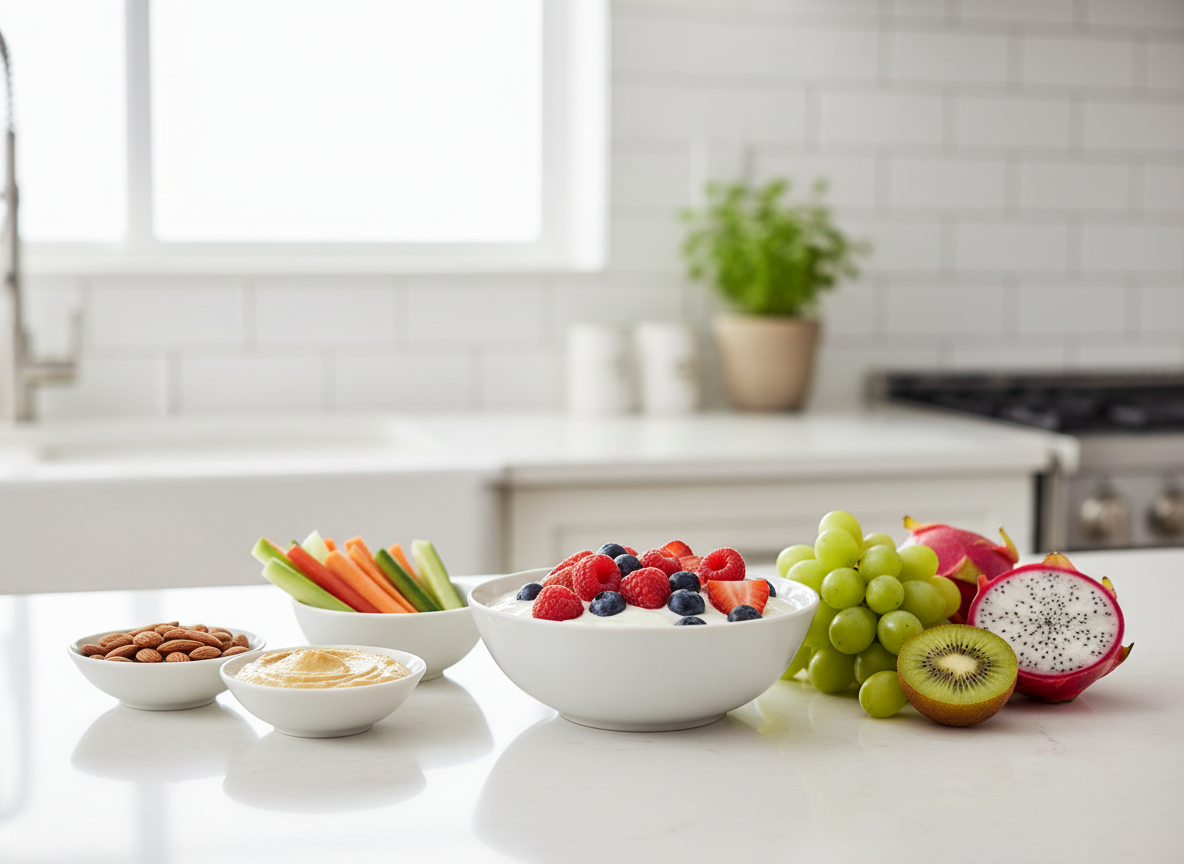
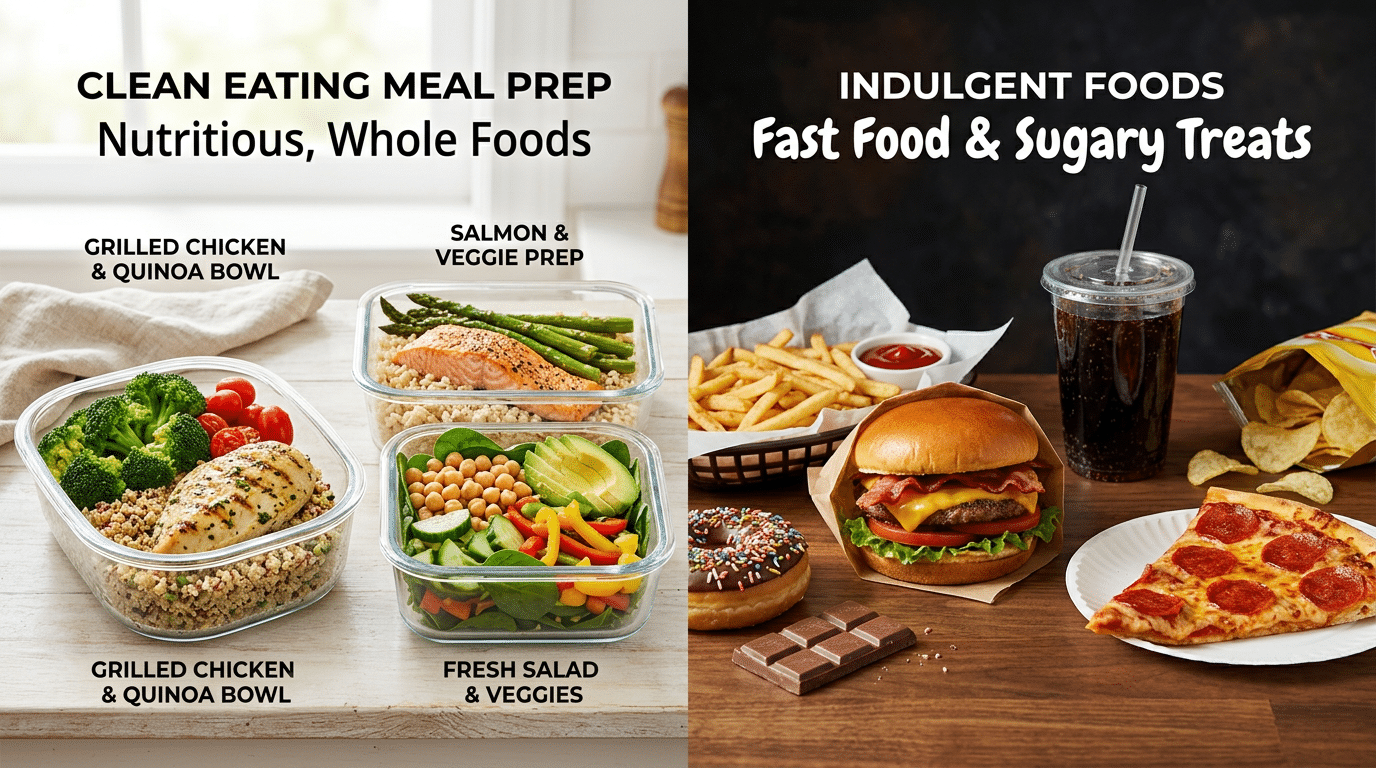
Lean protein should be a foundation of your diet while using GLP-1 medications. Foods like chicken, turkey, lean beef, eggs, Greek yogurt, tofu, and fish help preserve muscle mass while keeping you feeling full longer. Since appetite is reduced, prioritizing protein ensures your body still gets what it needs.
High-fiber vegetables are another essential component. Options like broccoli, spinach, kale, zucchini, carrots, cauliflower, and bell peppers support digestion and help regulate blood sugar levels. Fiber also contributes to a feeling of fullness without adding excessive calories.
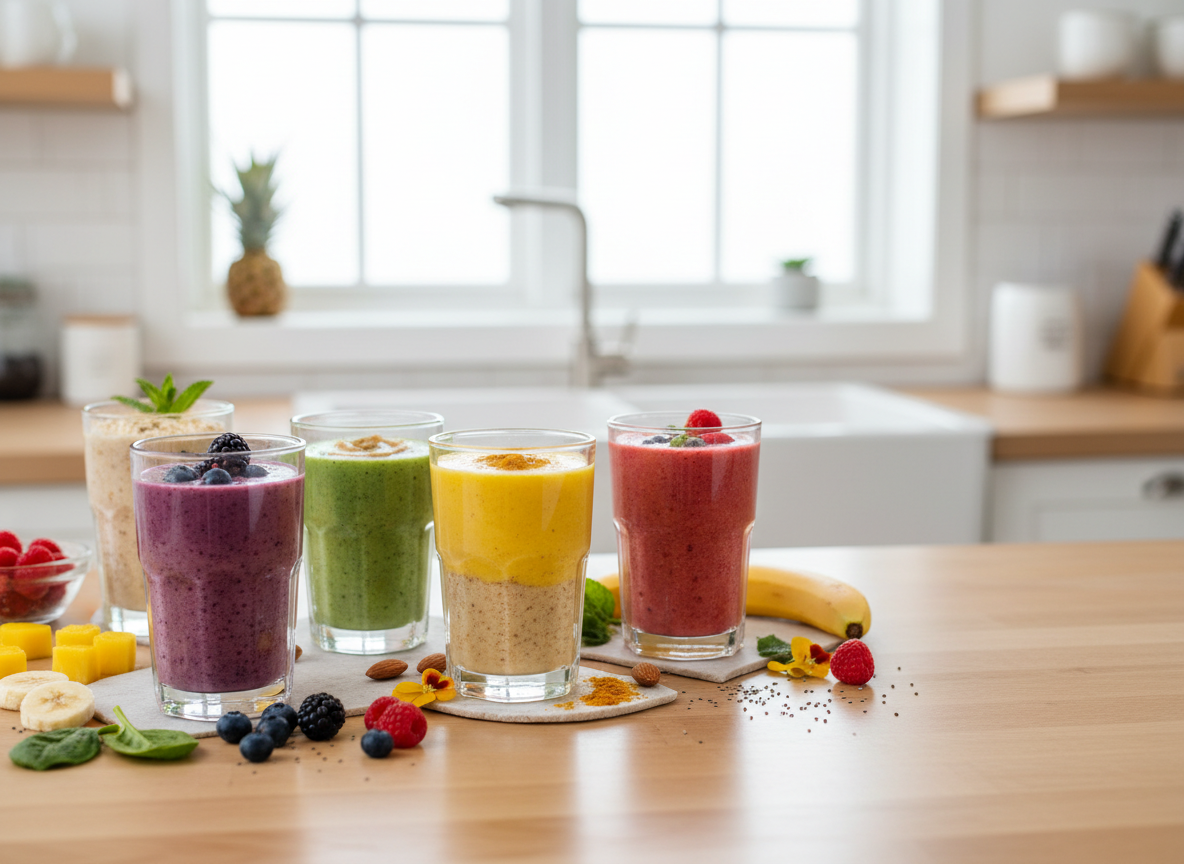
Low-glycemic fruits provide important nutrients while helping avoid spikes in blood sugar. Fruits such as berries, apples, pears, oranges, and grapefruit are excellent choices when eaten in moderation and paired with protein when possible.
Whole grains and legumes offer steady energy and additional fiber. Foods like quinoa, brown rice, oats, lentils, chickpeas, and black beans digest more slowly, helping you maintain consistent energy levels throughout the day.
Healthy fats also play an important role in supporting satiety and overall health. Avocados, nuts, seeds, olive oil, flaxseed oil, and fatty fish like salmon provide essential nutrients while helping you feel satisfied with smaller portions.
Staying properly hydrated is especially important while using GLP-1 medications. Drinking enough water throughout the day can help prevent dehydration and reduce the likelihood of constipation. Herbal teas and electrolyte-enhanced water can also be helpful when needed.
In the early stages of treatment, or during periods of adjustment, gentle and easy-to-digest foods can make a noticeable difference. Options like scrambled eggs, soups, stews, cooked oats, rice, and mashed sweet potatoes are easier on the digestive system and can help reduce nausea.
Worst Foods to Eat on GLP-1 Medications
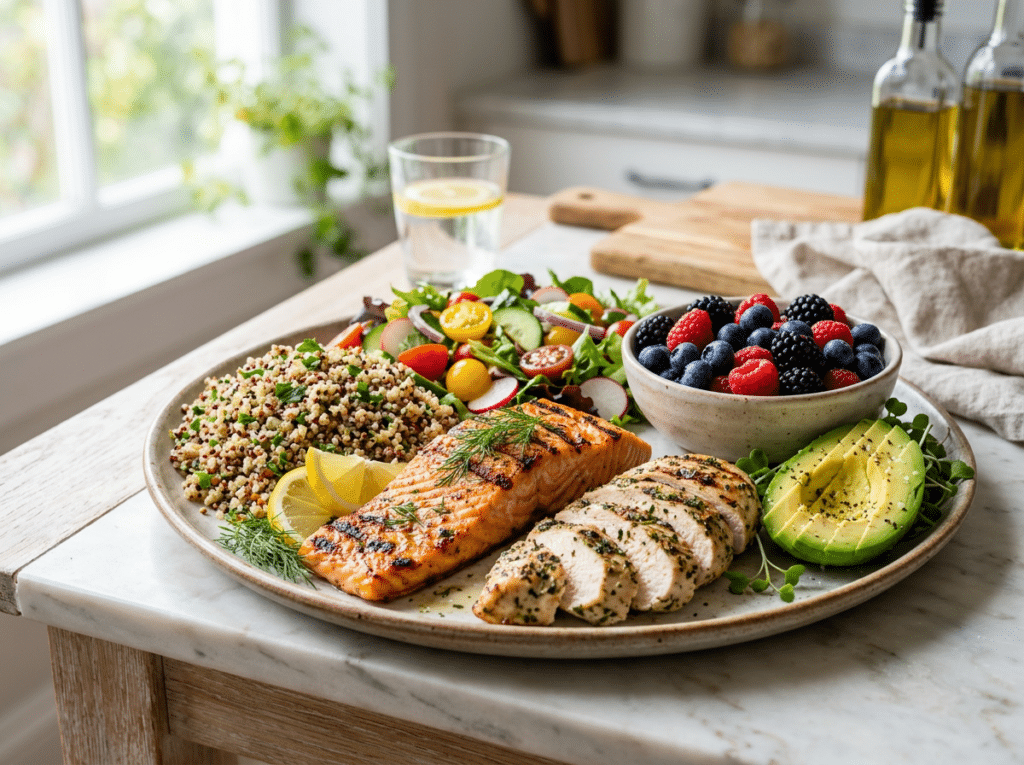
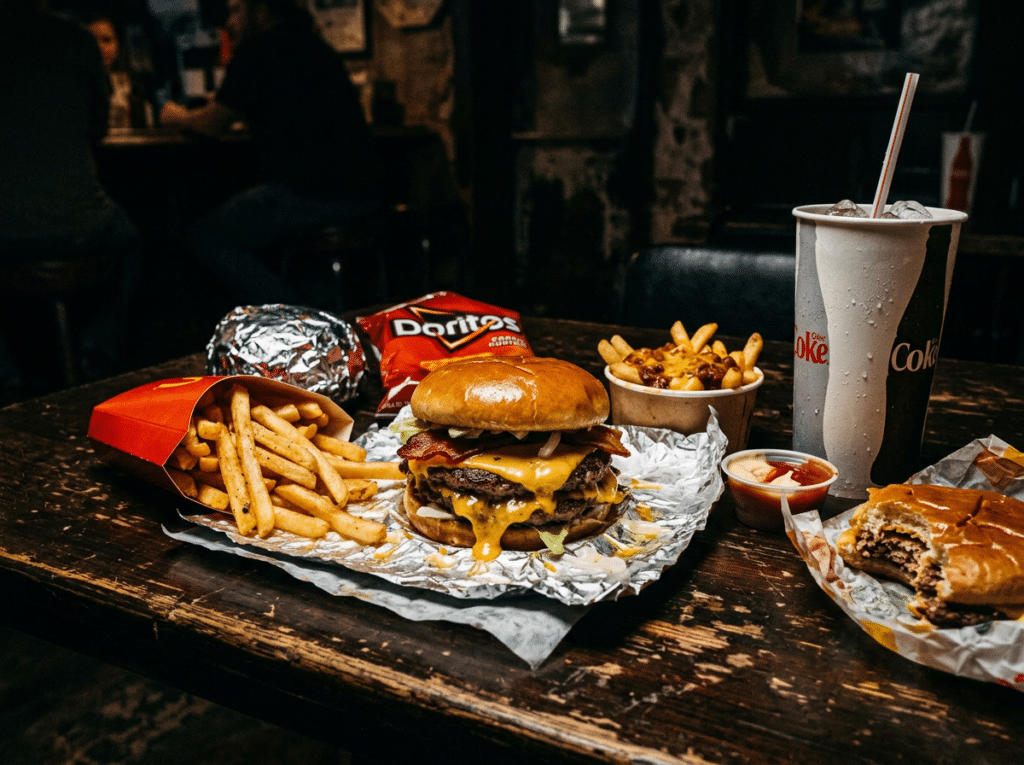
Fried and greasy foods are best avoided, as they can worsen nausea and slow digestion. Foods such as French fries, fried chicken, bacon, sausage, and fast food meals often lead to discomfort and can interfere with how your body responds to the medication.
Sugary snacks and desserts can work against your progress by causing spikes in blood sugar and increasing cravings. Items like candy, cookies, cakes, soda, sweetened coffee drinks, and ice cream provide little nutritional value while making it harder to maintain steady energy.
Highly processed carbohydrates should also be limited. Foods like white bread, pasta, chips, and refined crackers digest quickly and can lead to energy crashes and increased hunger over time.
Artificial sweeteners can affect digestion for some individuals and may contribute to bloating or gastrointestinal discomfort. Products such as sugar-free gum, diet soda, and artificial sweetener packets can sometimes make symptoms worse, especially when consumed regularly.
Carbonated beverages may also lead to bloating and discomfort, particularly because digestion is already slowed with GLP-1 medications. Even sparkling water can cause issues for some individuals.
Spicy and highly acidic foods can irritate the stomach and increase the likelihood of nausea. Foods like hot sauces, chili peppers, and heavily tomato-based dishes may be better tolerated in small amounts or avoided altogether if symptoms are present.
Final Thoughts
GLP-1 medications can be incredibly effective, but your daily food choices still play a major role in your results and overall well-being.
Focusing on whole, nutrient-dense foods while avoiding those that trigger discomfort can help you feel better, maintain consistency, and support long-term success. Paying attention to how your body responds to different foods is key, as tolerance can vary from person to person.
When in doubt, aim for balance, prioritize protein and fiber, and choose foods that leave you feeling satisfied rather than uncomfortable. For personalized guidance, always consult with your healthcare provider to ensure your plan aligns with your specific needs.